Trusted Markham best Hair Extensions Supplier for Every Style
Revamp Your Look: The Comprehensive Guide to Hair Extensions
Hair extensions have emerged as a widely-embraced choice for those aiming to elevate their style. They offer adaptability and a way to explore different looks. However, picking the right type and application process can be difficult. Comprehending the details of various extensions is important. This guide will outline the options and offer vital tips, helping users can make careful decisions about their hair transformation. The journey to a revamped appearance holds more than just aesthetic modifications.
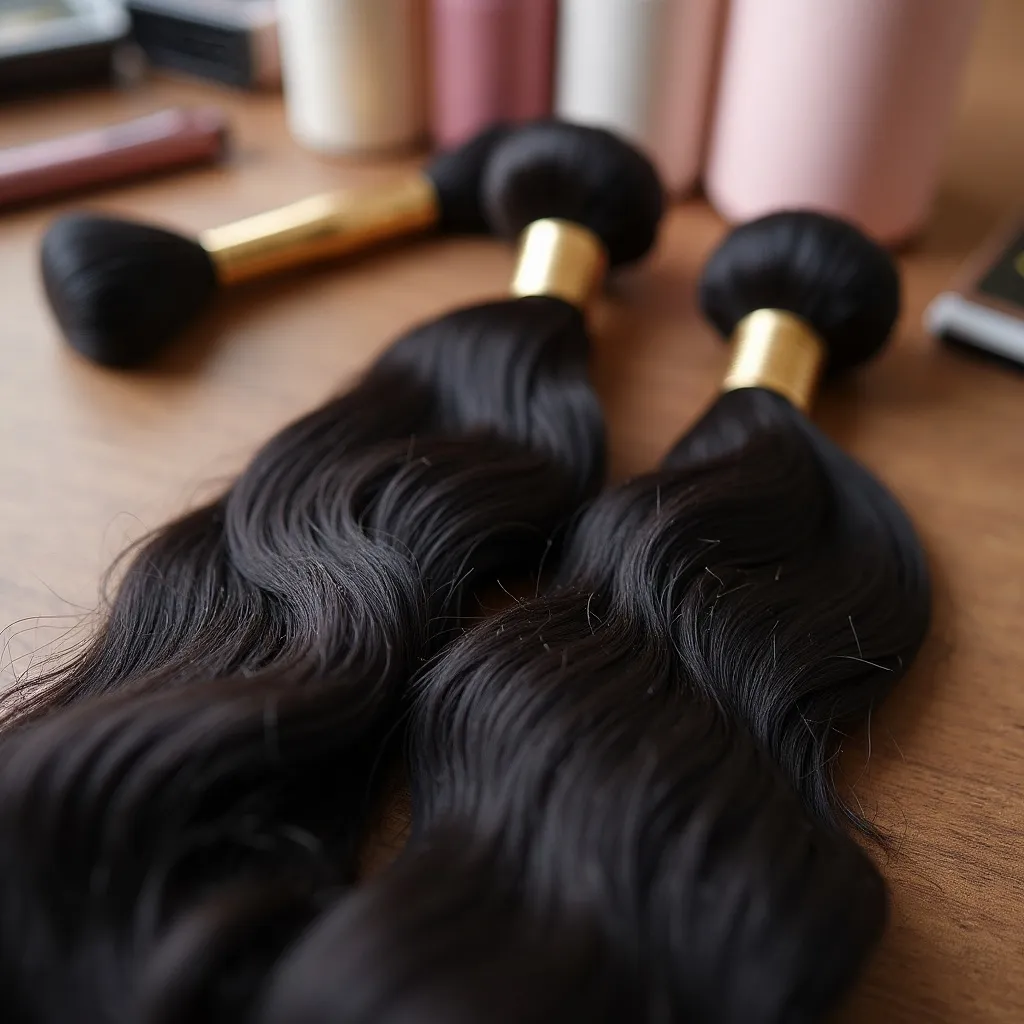
Grasping the Different Kinds of Hair Extensions
Hair extensions are available in various types, each designed to achieve diverse appearances and aesthetics. The most common types consist of clip-in, tape-in, and sew-in extensions. Clip-in extensions offer a temporary solution, allowing users to improve their locks quickly and easily. They are ideal for those who prefer flexibility and ease. Tape-in extensions, on the other hand, offer a more long-lasting solution, bonded with bonding strips that blend seamlessly with natural hair. This type is favored for its lightweight feel and natural appearance. Sew-in options require a more involved application process|intricate application method, where natural hair is braided, and wefts are stitched in. This method provides durability and is suitable for individuals with thicker hair. Each type serves different preferences, budgets, and upkeep requirements, making it essential for individuals to understand their options before Hair extensions are offered in various options, each meant to create diverse appearances and aesthetics. The most popular types consist of clip-in, tape-in, and sew-in extensions. Clip-in products provide a short-term option, allowing individuals to improve their hair rapidly and conveniently. They are great for those who prefer flexibility and ease. Tape-in products, on the other hand, present a more long-lasting option, attached using adhesive strips that merge flawlessly into natural hair. This type is favored for its light sensation and authentic look. Sew-in products demand a more involved application method, where natural hair is plaited, and wefts are sewn in. This technique offers longevity and is suitable for individuals with fuller hair. Each type serves different preferences, budgets, and maintenance levels, making it Hair extensions come in multiple types, each designed to create diverse appearances and aesthetics. The most popular types include clip-in, tape-in, and sew-in extensions. Clip-in products deliver a short-term option, allowing users to improve their hair rapidly and conveniently. They are perfect for those who favor flexibility and ease. Tape-in products, on the other hand, present a more long-lasting option, attached using adhesive strips that merge flawlessly into natural hair. This type is preferred for its lightweight feel and natural appearance. Sew-in products demand a more involved application method, where natural hair is braided, and wefts are sewn in. This method offers longevity and is suitable for individuals with thicker hair. Each type caters to different preferences, budgets, and upkeep requirements, making it essential for individuals to understand their options before making a selection.
Determining Hair Extensions Depending on Hair Type and Desired Look
Selecting the best hair extensions demands deliberate thought of both hair type and the desired look. Different hair types—straight, wavy, or curly—call for particular extension textures to confirm a seamless blend. For fine hair, lightweight choices like tape-ins or clip-ins are optimal, as they deliver volume without burdening hair down. In contrast, thicker hair types can support heavier extensions, such as wefts or fusion bonds.
The preferred look also is quite important. Those aiming for length may prefer long, straight extensions, while people seeking volume might opt for shorter, layered styles. Color matching is essential; extensions should blend naturally with the wearer's hair for a unified appearance. Additionally, the upkeep requirements of the chosen extensions should match the individual's lifestyle. By carefully analyzing hair type and intended result, one can select extensions that improve their overall appearance while ensuring comfort and style.
The Process of Placing Hair Extensions: Clip-ins, Tape-ins, and More
Applying hair extensions can transform a look in just a few minutes, with different techniques offered to suit different preferences and skills. Clip-in extensions are one of the most favored options due to their ease of use; they can be applied and taken off quickly without any harm to natural hair. Users simply divide their hair into parts, clip the extensions in place, and mix them together for a seamless look.
Tape-in hair additions offer a more semi-permanent alternative, sticking to natural hair with a distinctive bonding agent. This method requires a bit more expertise and is typically best applied by a professional, ensuring a secure fit that remains several weeks.
Other approaches consist of sew-in wefts, which require braiding natural hair and stitching the extensions in, and fusion extensions, where strands are bonded with a keratin adhesive. Each method has its own merits, allowing individuals to choose according to their lifestyle and desired results.
Advice on Preserving Extensions Enduring
Taking care of hair extensions demands a consistent routine to guarantee their longevity and appearance. Regular washing, appropriate drying techniques, and reducing heat damage are essential practices. Following these guidelines can greatly enhance the life span of extensions.
Regular Washing Routine
Setting up a regular cleansing regimen is crucial for preserving the appearance and structural quality of hair extensions. To sustain their radiance and softness, authorities recommend washing extensions all 7 to 10 days, depending on individual lifestyle and exposure to styling products. It is fundamental to use shampoos and conditioners without sulfates products designed for hair extensions, as these solutions help sustain moisture without causing damage. Before washing, gently detangle the hair to prevent breakage. When applying shampoo, focus on the roots and limit excessive rubbing; a delicate, downward stroke is most effective. Rinsing entirely guarantees that no product residue stays, which can lead to buildup. Following these steps helps keep hair extensions looking fresh and vibrant for an extended period.
Correct Drying Strategies
After washing hair extensions, proper drying techniques are essential role in their longevity and appearance. It is crucial to gently blot the extensions with a microfiber towel to remove excess water, avoiding vigorous rubbing that may cause tangling or damage. Hanging the extensions to air dry is recommended, as this helps preserve their natural shape and reduces the chance of frizz. If faster drying is required, using a low-speed fan can provide effective airflow without applying direct heat. It is important to keep extensions away from direct sunlight, which might cause fading. Using these techniques ensures hair extensions stay vibrant and healthy for a longer time.
Circumvent Heat Damage
To maintain the appearance and quality of hair extensions, it is essential to avoid heat damage. Excessive heat can weaken the connections and cause premature wear. To lower this risk, it is recommended to apply heat protectant sprays before styling. Additionally, choosing lower temperature settings on styling devices can decrease the potential for damage. Regular use of curling wands or flat irons should be done cautiously; restricting their use to special occasions is advisable. Furthermore, air-drying extensions rather than blow-drying can significantly enhance their longevity. Lastly, adding deep conditioning treatments into the care routine assists in keeping the extensions hydrated, making sure they stay vibrant and healthy. By adhering to these tips, users can successfully extend the lifespan of their hair extensions.
Creative Styling Suggestions for Hair Extensions
Hair extensions are commonly viewed as a tool for lengthening locks, yet they can also function as a canvas for imaginative styling. One popular approach is to experiment with braid techniques, allowing for intricate designs that blend seamlessly with natural hair. Adding colorful extensions can add a vibrant pop, perfect for those seeking a bold statement without permanent commitment.
For a more polished appearance, layering extensions can generate volume and dimension, improving loose waves or updos. Additionally, accessorizing with clips, bows, or flowers can improve any look, creating a unique and personal touch.
Using extensions in half-up styles can also showcase both natural and synthetic hair, allowing for versatility in daily styling. In conclusion, experimenting with different partings or textures can significantly transform one's appearance, showcasing the endless possibilities of hair extensions in creating a fresh, stylish identity.
Common Errors to Steer Clear Of With Hair Extensions
Using hair extensions can enhance any style, but incorrect usage can result in various pitfalls. One typical mistake involves selecting the wrong type of extensions for one’s hair texture and color, bringing about an inauthentic style. Improper placement can also harm natural hair, especially when the extensions are too heavy or installed too firmly. Another frequent mistake involves neglecting maintenance; washing and conditioning regularly are crucial to maintain both extensions and natural hair well cared for. The importance of consulting a professional stylist is frequently ignored, resulting in risky placement and styling errors. Ultimately, failing to remove extensions at the recommended time can lead to tangling and breakage. Those who avoid these errors can enjoy lovely, durable hair extensions without harming the health of their natural hair.
Frequently Posed FAQs
Can Hair Extensions Damage My Own Hair?
Hair extensions might potentially damage natural hair if applied improperly or left in extended periods. The heaviness and pull from extensions can produce breakage, thinning, or traction alopecia if not managed carefully.
How long can you expect hair pieces to last usually?
Hair extensions frequently last between 6 to 12 weeks, contingent on the type and application method. Thorough upkeep and maintenance can maximize their lifespan, but unique elements like curl pattern and analysis daily wear also influence outcomes.
Are Hair Extensions Appropriate for All Hair Types?
Hair extensions could work for different hair types, but individual suitability often depends on texture, thickness, and condition. Talking to a professional stylist ensures the best choice for reaching desired results without damage.
How Do I Remove Hair Extensions Without Damage?
To securely eliminate hair extensions, one should softly untangle hair, apply a suitable remover or oil, and carefully loosen adhesive bonds. It's advisable to get expert help for complicated techniques, ensuring minimal damage of natural hair.
Can I dye or design My Extensions Like Natural Hair?
Yes, hairpieces can be colored and arranged much like natural hair, provided they are made from real hair. However, it's essential to use suitable items and methods to maintain their quality and longevity.